


新闻中心
News Center
Common Mistakes to Avoid When Choosing a Warehouse Optimization System
Publish Time:
2026-11-11
Common Mistakes to Avoid When Choosing a Warehouse Optimization System Table of Contents Introduction to Warehouse Optimization Understanding Your Warehouse Needs Overlooking System Integration Neglecting User Experience and Training Ignoring Scalability and Future Needs Failing to Consider Total Costs Lack of Data Analysis and Reporting Features Not Evaluating Ven
Common Mistakes to Avoid When Choosing a Warehouse Optimization System
Table of Contents
- Introduction to Warehouse Optimization
- Understanding Your Warehouse Needs
- Overlooking System Integration
- Neglecting User Experience and Training
- Ignoring Scalability and Future Needs
- Failing to Consider Total Costs
- Lack of Data Analysis and Reporting Features
- Not Evaluating Vendor Support and Reliability
- Conclusion
- FAQs
Introduction to Warehouse Optimization
Warehouse optimization systems are critical in today's fast-paced logistics industry. These systems streamline operations, enhance accuracy, and ultimately improve customer satisfaction. However, selecting the right system is not as straightforward as it seems. Many businesses unknowingly make critical errors, which can lead to inefficiencies and wasted resources. This article explores the **common mistakes to avoid** when choosing a warehouse optimization system to ensure your investment yields the best possible results.
Understanding Your Warehouse Needs
One of the first mistakes businesses make is not fully understanding their specific warehouse needs before selecting a system. Every warehouse operates differently, with unique processes and requirements.
Assessing Current Operations
Before diving into options, conduct a thorough assessment of your current operations. Identify bottlenecks, inefficiencies, and areas for improvement. Consider factors like:
- **Inventory turnover rates**
- **Order accuracy**
- **Shipping times**
By understanding these needs, you'll be better equipped to choose a system that aligns with your operational goals.
Defining Key Performance Indicators (KPIs)
Establish clear KPIs to measure success. These indicators will guide your selection process, ensuring you prioritize features that contribute to your specific objectives. Common KPIs include:
- **Order fulfillment rates**
- **Labor productivity**
- **Space utilization**
Overlooking System Integration
A critical mistake that many businesses make is failing to consider how well the warehouse optimization system will integrate with existing software and processes.
The Importance of Integration
A warehouse optimization system should seamlessly connect with your current ERP, CRM, and inventory management systems. This integration minimizes disruptions and allows for smoother workflows.
Evaluating Compatibility
When evaluating potential systems, inquire about compatibility with your existing infrastructure. Ask vendors about their APIs and integration capabilities. **Flexibility and adaptability** are essential for long-term success.
Neglecting User Experience and Training
User experience is often an overlooked aspect when choosing a warehouse optimization system. An intuitive interface and straightforward navigation can significantly affect employee productivity.
Importance of User-Friendly Design
A complicated system may lead to confusion and frustration among staff, resulting in errors and decreased efficiency. Look for systems that offer:
- **Customizable dashboards**
- **Easy navigation**
- **Mobile accessibility**
Training and Support
Ensure that the vendor provides comprehensive training resources. This includes tutorials, manuals, and ongoing support. Investing time in training staff will pay off in increased productivity and reduced errors.
Ignoring Scalability and Future Needs
As businesses grow, their warehouse needs can change. A common mistake is selecting a system that does not scale effectively with growth.
Planning for Growth
Choose a warehouse optimization system that can adapt to future demands. Consider features such as:
- **Multi-site capabilities**
- **User capacity expansion**
- **Support for advanced technologies**
A scalable system will save you the headache of needing to switch solutions as your business evolves.
Failing to Consider Total Costs
While upfront costs are important, looking beyond the initial price tag is crucial. Many businesses fail to account for the total cost of ownership.
Understanding Total Cost of Ownership (TCO)
TCO includes not only the initial purchase price but also:
- **Implementation costs**
- **Training expenses**
- **Maintenance fees**
- **Upgrade costs**
Conduct a thorough cost analysis to ensure the system fits within your budget and provides the needed ROI.
Lack of Data Analysis and Reporting Features
A warehouse optimization system that lacks robust data analysis and reporting capabilities can hinder your ability to make informed decisions.
Importance of Data-Driven Decisions
Choose a system that provides actionable insights through real-time data analysis. Essential features to look for include:
- **Customizable reports**
- **Dashboard analytics**
- **Predictive analytics**
These features will enable you to identify trends, forecast demands, and optimize inventory management.
Not Evaluating Vendor Support and Reliability
The final mistake to avoid is overlooking the importance of vendor support and reliability. A strong partnership with your vendor is crucial for long-term success.
Assessing Vendor Reputation
Research potential vendors thoroughly. Look for reviews, testimonials, and case studies to gauge their reliability and support quality. A vendor with a proven track record in the industry will likely be a better partner in your warehouse optimization journey.
Support Services
Inquire about the level of support offered. Ensure that the vendor provides:
- **24/7 customer service**
- **Regular updates**
- **User forums or communities**
Reliable support can make a significant difference in your operations' smoothness and efficiency.
Conclusion
Choosing the right warehouse optimization system is a significant decision that impacts your logistics operations. By avoiding these common mistakes—understanding your needs, ensuring system integration, prioritizing user experience, planning for scalability, considering total costs, seeking robust data capabilities, and evaluating vendor support—you position your business for success. A well-implemented warehouse optimization system can streamline operations, improve efficiency, and ultimately boost your bottom line.
FAQs
1. What are the key features to look for in a warehouse optimization system?
Key features include real-time data analytics, integration capabilities with existing systems, user-friendly interfaces, scalability options, and robust reporting functionalities.
2. How can I ensure my team adapts to a new warehouse optimization system?
Providing comprehensive training and ongoing support will help your team adapt smoothly. Involve them in the selection process to increase buy-in and acceptance.
3. What is the average cost of a warehouse optimization system?
Costs vary widely depending on the features and scale required, but businesses should consider the total cost of ownership, including implementation and training expenses.
4. How does a warehouse optimization system improve efficiency?
These systems enhance efficiency by optimizing inventory management, reducing errors, improving order fulfillment times, and offering real-time visibility into warehouse operations.
5. Can a warehouse optimization system support multiple locations?
Yes, many modern systems offer multi-site capabilities, allowing businesses to manage operations across various locations seamlessly.


Contact Information:
13399555771 (International) / 4006786168(Domestic)
Email:
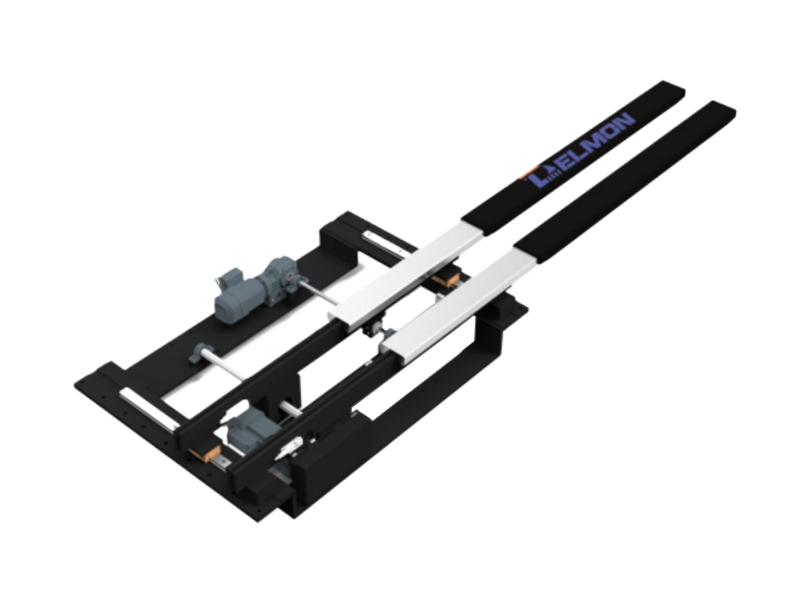
Nanjing Delmeng Technology Co., Ltd. is a high-tech enterprise focusing on the research and development, design, manufacturing, and sales of intelligent logistics equipment. The company's core product is telescopic forklifts, which are widely used in automated storage and retrieval systems (AS/RS) and other intelligent warehousing fields.
Online Message
If you are interested in us or our products, please feel free to leave us a message.