


新闻中心
News Center
Cradle Hold Storage Systems: Enhancing Distribution Operations for Optimal Efficiency
Publish Time:
2026-11-15
Cradle Hold Storage Systems: Enhancing Distribution Operations for Optimal Efficiency In today's fast-paced logistics environment, the efficiency of your distribution operations can significantly impact your business's overall success. Cradle Hold Storage Systems have emerged as a game-changer in warehouse management, offering unique advantages that enhance operational productivity and inventory c
Cradle Hold Storage Systems: Enhancing Distribution Operations for Optimal Efficiency
In today's fast-paced logistics environment, the efficiency of your distribution operations can significantly impact your business's overall success. Cradle Hold Storage Systems have emerged as a game-changer in warehouse management, offering unique advantages that enhance operational productivity and inventory control. This article explores the intricacies of these systems, their operational benefits, and best practices for successful implementation.
Table of Contents
- 1. Understanding Cradle Hold Storage Systems
- 2. Key Components of Cradle Hold Storage Systems
- 3. Benefits of Cradle Hold Storage Systems in Distribution
- 4. Implementing Cradle Hold Storage Systems Effectively
- 5. Best Practices for Warehouse Integration
- 6. Case Studies and Real-World Applications
- 7. Common Challenges and Solutions
- 8. The Future of Cradle Hold Storage Systems
- 9. Frequently Asked Questions
1. Understanding Cradle Hold Storage Systems
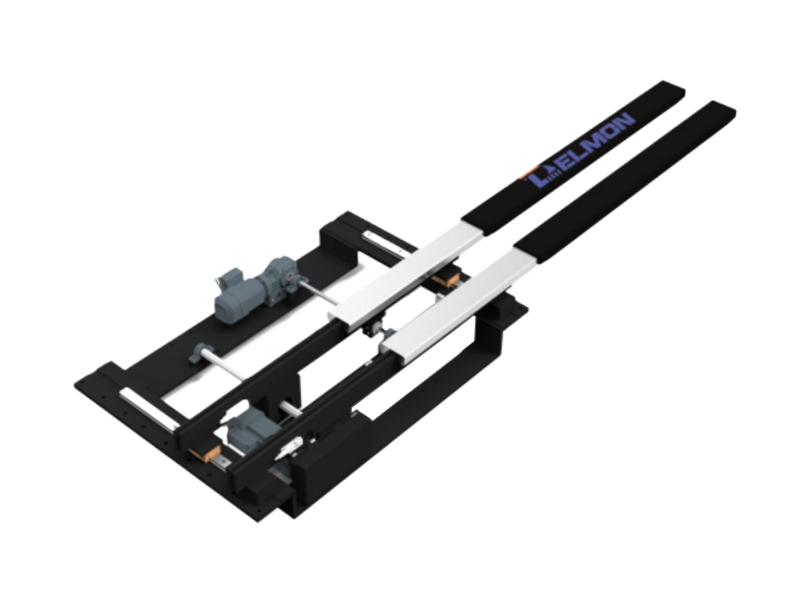
Cradle Hold Storage Systems are innovative storage solutions designed specifically for warehouses and distribution centers. These systems utilize a cradle-like design to securely hold various products and materials, ensuring easy access and optimal organization. Ideal for items with irregular shapes or sizes, these systems enhance the flexibility of storage options within a facility.
The cradle design allows for the efficient use of vertical space, making it possible to maximize the storage capacity of your warehouse. These systems can support a wide range of items, from pallets to small components, proving their versatility in diverse logistics scenarios.
2. Key Components of Cradle Hold Storage Systems
Understanding the key components of Cradle Hold Storage Systems is crucial for realizing their full potential. The primary elements include:
2.1. Cradle Design
The cradle itself is the core feature of these storage systems. Its design is specifically tailored to accommodate different product types, allowing for secure and stable storage.
2.2. Racking Systems
Integrated racking systems work in conjunction with cradle components to provide additional support and organization. This combination ensures that products are easy to access while maximizing space.
2.3. Material Handling Equipment
Forklifts, pallet jacks, and other material handling equipment are essential for the smooth operation of Cradle Hold Storage Systems. They facilitate the efficient movement of goods, reducing time and effort.
2.4. Inventory Management Software
Integrating inventory management software with Cradle Hold Storage Systems enhances tracking and organization. This technology allows for real-time updates and accurate inventory counts, giving businesses better control over their stock.
3. Benefits of Cradle Hold Storage Systems in Distribution
The adoption of Cradle Hold Storage Systems offers numerous benefits to businesses in the logistics sector. These include:
3.1. Enhanced Space Utilization
By maximizing vertical space, Cradle Hold Storage Systems significantly increase storage capacity without requiring extensive warehouse expansion. This efficient use of space leads to lower overhead costs.
3.2. Improved Accessibility
Cradle designs facilitate easy access to stored items, reducing retrieval times and enhancing overall operational efficiency. Workers can quickly identify and reach the products they need.
3.3. Increased Safety
These systems minimize the risk of accidents by providing stable storage options that hold items securely in place. This stability reduces the likelihood of product damage and enhances workplace safety.
3.4. Flexibility in Storage
Cradle Hold Storage Systems accommodate a wide variety of items, making them ideal for businesses with diverse product lines. This flexibility allows for efficient organization and easy reconfiguration as inventory needs change.
3.5. Streamlined Operations
With improved organization and quicker access to products, businesses can streamline their distribution operations. This increased efficiency often leads to enhanced customer satisfaction through faster deliveries.
4. Implementing Cradle Hold Storage Systems Effectively
Implementing Cradle Hold Storage Systems requires careful planning and consideration. Here are some steps to ensure a successful rollout:
4.1. Assess Your Storage Needs
Before implementation, conduct a thorough assessment of your current storage requirements. Identify the types of products you store, their dimensions, and your distribution volume to determine the best configuration for your Cradle Hold Storage System.
4.2. Design Your Warehouse Layout
A well-thought-out warehouse layout is essential for optimizing the benefits of Cradle Hold Storage Systems. Consider factors such as workflow, accessibility, and safety when designing your space.
4.3. Train Your Staff
Effective training is vital to ensure that all employees understand how to utilize the new system properly. Provide comprehensive training on safety protocols, equipment operation, and handling procedures.
4.4. Integrate Technology
Invest in inventory management software that integrates seamlessly with your Cradle Hold Storage System. This technology will enhance efficiency and provide real-time visibility into your inventory levels.
4.5. Monitor and Optimize
After implementation, continuously monitor the system's performance and make adjustments as needed. Collect data on utilization, retrieval times, and employee feedback to identify areas for improvement.
5. Best Practices for Warehouse Integration
Integrating Cradle Hold Storage Systems into your warehouse operations requires adherence to several best practices:
5.1. Regular Maintenance
Establish a routine maintenance schedule to ensure that all components of the storage system remain in good condition. Regular checks can prevent unexpected downtime and extend the lifespan of your equipment.
5.2. Optimize Inventory Management
Utilize inventory management practices that align with your Cradle Hold Storage System to maximize efficiency. Implement FIFO (First In, First Out) or LIFO (Last In, First Out) strategies to manage inventory flow effectively.
5.3. Foster a Safety Culture
Encourage a culture of safety within your workforce. Regular safety training and awareness programs can help minimize accidents and ensure that employees understand the importance of following safety protocols.
5.4. Encourage Feedback
Solicit feedback from employees on the new system's usability and effectiveness. Front-line workers often have valuable insights that can lead to further optimizations in operation.
5.5. Stay Informed
Keep up with industry trends and advancements in storage technology. Staying informed allows your business to adapt and implement improvements as needed.
6. Case Studies and Real-World Applications
Examining successful implementations of Cradle Hold Storage Systems can provide valuable insights for your operations. Here are a few noteworthy examples:
6.1. Retail Distribution Centers
A prominent retail chain implemented Cradle Hold Storage Systems in its distribution centers to manage seasonal inventory. The results included a 30% increase in storage capacity and a reduction in retrieval times by 25%.
6.2. Automotive Parts Warehousing
An automotive parts supplier utilized Cradle Hold Storage Systems to store components of varying sizes. The flexibility of these systems led to a significant decrease in stockouts and improved order fulfillment rates.
6.3. E-commerce Fulfillment Centers
In an e-commerce fulfillment center, the implementation of Cradle Hold Storage Systems improved inventory tracking accuracy. The integration of real-time data led to a 40% increase in overall operational efficiency.
7. Common Challenges and Solutions
While Cradle Hold Storage Systems offer numerous benefits, businesses may encounter challenges during implementation:
7.1. Initial Costs
Investing in Cradle Hold Storage Systems can require significant upfront capital. To address this, consider analyzing potential long-term savings from increased efficiency and reduced operational costs.
7.2. Training Requirements
Training staff can be time-consuming. Implementing a phased training approach can help ease the transition and ensure that employees become comfortable with the new system over time.
7.3. Change Resistance
Employees may resist changes to their routines. Communicating the benefits of the new system and involving staff in the implementation process can foster buy-in and reduce resistance.
8. The Future of Cradle Hold Storage Systems
The future of Cradle Hold Storage Systems looks promising as technology continues to evolve. Innovations in automation, artificial intelligence, and robotics are set to enhance these systems further, leading to:
8.1. Increased Automation
Automation will play a vital role in streamlining processes associated with Cradle Hold Storage Systems. Automated retrieval systems can significantly reduce labor costs and increase efficiency.
8.2. Enhanced Inventory Management
Advancements in inventory management software will provide deeper insights into stock levels and enable predictive analytics, allowing businesses to optimize their inventory management strategies.
8.3. Sustainable Solutions
As businesses increasingly prioritize sustainability, future Cradle Hold Storage Systems may incorporate eco-friendly materials and designs, contributing to more sustainable operations.
9. Frequently Asked Questions
9.1. What are Cradle Hold Storage Systems?
Cradle Hold Storage Systems are specialized storage solutions designed to securely hold various types of products, improving accessibility and maximizing warehouse space.
9.2. What are the benefits of using Cradle Hold Storage Systems?
Benefits include enhanced space utilization, improved accessibility, increased safety, flexibility in storage, and streamlined operations for distribution centers.
9.3. How do I effectively implement Cradle Hold Storage Systems?
Effective implementation involves assessing your storage needs, designing your warehouse layout, training staff, integrating technology, and continuously monitoring performance.
9.4. Are there any challenges to consider?
Common challenges include initial costs, training requirements, and resistance to change. Addressing these through careful planning and communication can mitigate potential issues.
9.5. What is the future of Cradle Hold Storage Systems?
The future of these systems will likely see increased automation, enhanced inventory management, and a focus on sustainability as technology continues to evolve.
Conclusion
Cradle Hold Storage Systems represent a formidable solution for enhancing distribution operations within the logistics sector. By implementing these innovative storage systems, businesses can achieve significant improvements in efficiency, safety, and overall productivity. **Maximizing space utilization** and simplifying product retrieval processes are just a few of the compelling advantages these systems offer. As the logistics landscape continues to evolve, staying informed and adapting to new technologies will be essential in ensuring operational success. By embracing Cradle Hold Storage Systems today, organizations can prepare for a more efficient, streamlined, and profitable future in distribution operations.


Contact Information:
13399555771 (International) / 4006786168(Domestic)
Email:
Nanjing Delmeng Technology Co., Ltd. is a high-tech enterprise focusing on the research and development, design, manufacturing, and sales of intelligent logistics equipment. The company's core product is telescopic forklifts, which are widely used in automated storage and retrieval systems (AS/RS) and other intelligent warehousing fields.
Online Message
If you are interested in us or our products, please feel free to leave us a message.